
Baking crostini might sound simple, but it’s the secret to unlocking a whole new level of crunch and flavor. I’ve always loved those little crispy bites, especially when they’re evenly toasted with a warm, golden hue. The magic happens in the oven—less fuss than pan-frying, and the texture is just unbeatable.
There’s something satisfying about knowing I’ve created a sturdy, crispy base that can hold a generous spread or topping without sogging out. Plus, baking gives me that lovely aroma of toasted bread filling the kitchen—it’s a little moment of comfort that makes even a humble snack feel special. This method turns everyday baguette slices into something truly crave-worthy.
Focusing on how baking crostini transforms their texture and flavor, creating a satisfyingly crispy base that elevates simple toppings.
The story behind this recipe
- One chilly afternoon, I was experimenting with how to make the most out of a day-old baguette. I remembered how my grandma used to toast bread in the oven, filling the whole kitchen with the smell of toasted grains and butter. That warm, nostalgic aroma got me thinking—why not turn simple slices into something more special with just a bit of heat and patience?
- Baking crostini has always been my go-to for lazy weekends or unexpected guests—it’s a humble process that rewards you with crispy perfection and a satisfying crunch. This recipe isn’t about fancy ingredients; it’s about that honest, honest-to-goodness crunch that makes every topping sing. It’s a small act of kitchen love that’s easy to forget in the rush, but so worth remembering.
- It’s the kind of thing that reminds you: good food is often about simple pleasures, done well. And in these busy days, that crispy, golden bite feels like a tiny victory.
Key ingredients and tips
- Baguette slices: I prefer a rustic, thick cut with a good chew—aim for about 1/2 inch. Thin slices burn faster, so keep an eye on the oven.
- Olive oil: Brushed generously, it helps achieve a beautifully golden, crispy surface. Use a good quality extra virgin for that fruity punch.
- Garlic: Rubbing fresh garlic on hot crostini delivers a pungent aroma and a punch of flavor—don’t skip this step, even if it feels minor.
- Sea salt: A pinch before baking amps up the flavor—think of it as the finishing touch that pulls everything together on the palate.
- Optional toppings: Cheeses, herbs, or tapenade—layer these after baking. The crisp base is the perfect canvas for a burst of flavor and texture.
- Baking temperature: 180°C (350°F). Too high? The bread burns before it crisps. Too low? It takes forever to get that crunch.
- Baking time: 10-15 minutes. Keep an eye during the last few minutes—your crostini should be golden and smell toasty, not burnt.
Spotlight on key ingredients
Baguette slices:
- I prefer a rustic, thick cut with a good chew—aim for about 1/2 inch. Thin slices burn faster, so keep an eye on the oven.
- Olive oil: Brushed generously, it helps achieve a beautifully golden, crispy surface. Use a good quality extra virgin for that fruity punch.
- Garlic: Rubbing fresh garlic on hot crostini delivers a pungent aroma and a punch of flavor—don’t skip this step, even if it feels minor.
Olive oil:
- I always use a decent extra virgin—its fruity aroma and slightly peppery finish make the crunch sing.
- Sea salt: A pinch before baking pulls out the bread’s natural sweetness and enhances the crispy crust’s savoriness.
Notes for ingredient swaps
- Dairy-Free: Skip cheese or use a dairy-free cheese alternative. It won’t melt quite the same but still adds flavor.
- Gluten-Free: Swap baguette slices for toasted rice cakes or gluten-free bread. Expect a different crunch and slightly denser texture.
- Oil: Use avocado or walnut oil for a richer, nuttier flavor. Olive oil gives that classic fruity note.
- Salt: Coarse sea salt adds a nice crunch and burst of saltiness; fine salt dissolves quickly—use less if swapping.
- Garlic: Roast garlic beforehand for a mellow, sweet flavor—less pungent but still flavorful. Fresh garlic really wakes up the crostini.
- Herbs: Fresh thyme or rosemary can replace parsley or basil. Use sparingly—they tend to overpower if too much.
- Toppings: Try different cheeses or spreads—goat cheese, ricotta, or even tapenade—for variety. Keep in mind they’ll add different moisture levels.
Equipment & Tools
- Baking sheet: To hold and evenly bake the crostini slices.
- Parchment paper or silicone mat: To prevent sticking and make cleanup easier.
- Pastry brush: To evenly apply olive oil on the bread slices.
- Cooling rack: To cool crostini without becoming soggy and to maintain crunch.
- Knife: To slice the baguette into even rounds.
Step-by-step guide to baking crostini
- Preheat your oven to 180°C (350°F). Line a baking sheet with parchment paper or a silicone mat for easy cleanup.
- Slice your baguette into 1/2-inch thick rounds. Aim for even slices to ensure uniform baking.
- Arrange the slices in a single layer on the prepared baking sheet. No overlap, so they toast evenly.
- Brush each slice generously with olive oil using a pastry brush. Focus on the edges for extra crispness.
- Place the baking sheet in the oven. Bake for 10 minutes, then flip the slices over carefully.
- Bake for another 5-7 minutes, until the crostini are golden and crispy. Keep an eye on the last few minutes to prevent burning.
- Remove from the oven and immediately rub each crostini with a cut clove of garlic for a fragrant punch.
- Sprinkle lightly with sea salt while still warm. Let them rest on a cooling rack for a few minutes.
- Serve immediately or store in an airtight container for up to 2 days. For crispness, reheat at 180°C (350°F) for 3-5 minutes before serving.
Let the crostini rest for a few minutes on a cooling rack. Serve warm or at room temperature. For best flavor, add toppings just before serving.
How to Know It’s Done
- Crostini are golden and crispy around the edges.
- They emit a toasted, bread-like aroma during baking.
- When gently pressed, crostini have a firm, crunchy texture without being brittle.
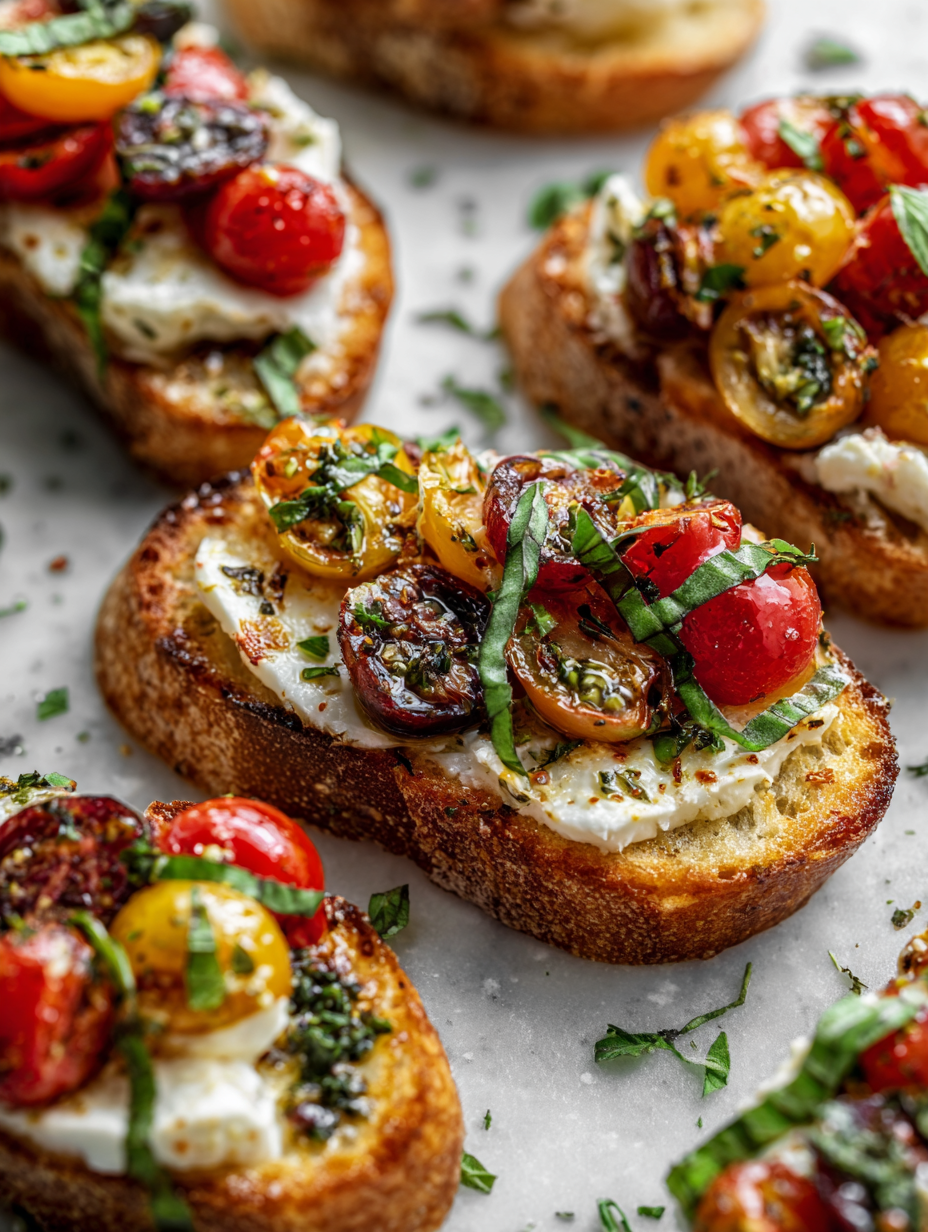
Baked Crostini
Ingredients
Equipment
Method
- Preheat your oven to 180°C (350°F) and line a baking sheet with parchment paper or a silicone mat.
- Using a sharp knife, slice the baguette into 1/2-inch thick rounds, aiming for even slices to ensure uniform toasting.
- Arrange the slices in a single layer on the prepared baking sheet, making sure they don't overlap for even baking.
- Using a pastry brush, generously brush each slice with olive oil, focusing on the edges for extra crispness. The slices should glisten but not be soaked.
- Place the baking sheet in the oven and bake for about 10 minutes, until the slices start turning golden around the edges and smell toasted.
- Carefully flip each slice over with tongs or a spatula to promote even toasting on both sides.
- Continue baking for another 5-7 minutes, watching closely as they turn deep golden and fill the kitchen with a toasty aroma.
- Remove the baking sheet from the oven and immediately rub each hot crostini with a cut clove of garlic for a fragrant punch of flavor.
- Sprinkle a pinch of sea salt over the crostini while they are still warm to enhance their flavor.
- Transfer the crostini to a cooling rack and let them rest for a few minutes to maintain their crispness.
- Serve the crostini immediately with your favorite toppings or store in an airtight container for up to two days, reheating briefly if needed to restore crunch.
Pro tips for perfect crostini
- Bolded mini-head: Use a light hand with olive oil → Too much oil makes crostini greasy; brush lightly for crispness.
- Bolded mini-head: Watch your slices closely → Keep an eye during baking, as they go from perfect to burnt quickly.
- Bolded mini-head: Flip slices midway → Ensures even toasting and prevents burning on one side.
- Bolded mini-head: Rub garlic immediately → While crostini are hot, the garlic penetrates better, giving a punchy flavor.
- Bolded mini-head: Use a silicone brush → For even oil application without overdoing it, avoiding greasy results.
- Bolded mini-head: Check for golden hue → When edges are deep amber and smell toasted, they’re ready.
- Bolded mini-head: Cool on a rack → Maintains crunch and prevents sogginess, especially if topping later.
Common mistakes and how to fix them
- TOO MUCH BREAD: Use fewer slices or thicker slices to prevent sogginess.
- DUMPED OIL: Too much oil causes greasy crostini; brush lightly for crispness.
- OVER-TORCHED: Keep an eye after 10 minutes; burnished edges mean it’s done.
- MISSED SALT: Salt enhances flavor—sprinkle before baking for best results.
Quick fixes and pantry swaps
- If slices stick, splash a little water on the baking sheet before baking.
- When crostini are soggy, re-crisp in the oven for 5 minutes at 180°C (350°F).
- Patch burnt edges by scraping off charred bits gently with a knife.
- Shield uneven toasting by flipping slices halfway through baking.
- When in doubt, swap out stale bread for fresh; the texture makes all the difference.
Prep, store, and reheat tips
- Prepare the baguette slices ahead by cutting and arranging them on a baking sheet. They can be stored uncovered for a few hours without losing crispness.
- Store baked crostini in an airtight container at room temperature for up to 2 days. To maintain crunch, keep them away from humidity and moisture.
- Reheat in a 180°C (350°F) oven for 3-5 minutes until warmed and crispy. The aroma of toasted bread will re-emerge with a satisfying crackle.
- For longer storage, freeze baked crostini in a sealed container for up to 1 month. Reheat directly from frozen for best texture.
- Reheating may slightly soften the crostini; a quick bake restores their crunch and aroma, making them almost as good as fresh.
Top questions about baked crostini
1. Can I use day-old bread for crostini?
Use slightly stale baguette slices—they toast better and absorb flavors more evenly.
2. How long does it take to bake crostini?
Brush with olive oil and bake until golden, about 10-15 minutes at 180°C (350°F).
3. When should I add garlic to crostini?
Rub garlic on hot crostini immediately after baking for maximum flavor punch.
4. How do I know when crostini are ready?
They should be crisp, golden around the edges, and smell toasty when done.
5. How long do baked crostini last?
Store in an airtight container at room temperature for up to 2 days; reheat briefly to restore crunch.
6. What’s the best way to oil crostini?
Use a silicone brush for even oil application and prevent greasy crostini.
7. Should I flip crostini during baking?
Flip slices midway through baking for even toasting and avoid burnt edges.
8. When should I salt the crostini?
Add salt immediately after baking while crostini are still warm to enhance flavor.
9. Can I make dairy-free crostini?
For a dairy-free version, skip cheese and add herbs or tapenade for flavor.
10. What if my crostini burn?
If they burn, reduce oven temperature slightly or watch more closely during last minutes.
Baked crostini might seem like just a simple snack, but it’s that crispy bite that makes appetizers feel a bit more special. There’s a quiet satisfaction in knowing you’ve created a sturdy base that can hold anything from a smear of hummus to a dollop of soft cheese.
In busy days or when unexpected guests arrive, this recipe offers a quick way to elevate the moment without fuss. That warm, toasted aroma filling the kitchen is a small reminder that good things often come from simple, honest practices.