
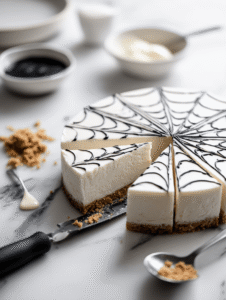
I’ve always been drawn to the visual complexity of spiderweb patterns, especially when they’re on something sweet and creamy. This cheesecake feels like a culinary puzzle, where each swirl must be just right to resemble a web. It’s a way to combine artistry with comfort, a treat that’s both eye-catching and deeply satisfying.
Why This Cheesecake Calls You Back
Every swirl is a quiet act of patience, a small ritual that makes each slice uniquely yours. The balance of creamy tang and crunchy crust is addictive, and the web pattern? It’s a conversation starter, a little chaos on a plate. I keep coming back because it’s a tactile reminder that beauty and flavor can coexist in simple, honest ways.
Decoding the Ingredients
- Cream cheese: The backbone of the cheesecake, needs to be smooth and softened for easy mixing.
- Graham cracker crumbs: Gives the crust that buttery crunch, subtly sweet. Sub with digestive biscuits if needed.
- Sugar: Sweetens without overpowering, balancing the tang of cream cheese.
- Eggs: Bind the filling, add richness, should be at room temperature for smooth incorporation.
- Sour cream: Adds tang and creaminess, brightening the overall flavor.
- Vanilla extract: Enhances all flavors with a warm, aromatic note.
- Black gel food coloring: Creates the web contrast; use sparingly for vivid lines.
Tools of the Web
- Springform pan: To easily release the cheesecake without damaging its delicate surface.
- Offset spatula: To smooth the top and create even layers, especially when drawing the web.
- Toothpick or skewer: To draw the web pattern, creating the spiderweb design.
- Mixing bowls: For preparing the crust and filling separately.
- Electric mixer: To beat the cream cheese smoothly and efficiently.
Crafting the Perfect Spiderweb Pattern
Step 1: Preheat your oven to 160°C (320°F).
Step 2: Mix crushed graham crackers with melted butter and press into a 23cm (9-inch) springform pan, creating a thin, even crust.
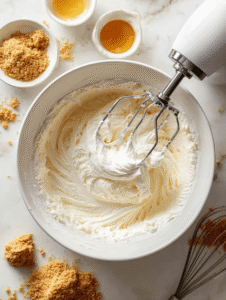
Step 3: In a large bowl, beat softened cream cheese with sugar until smooth and fluffy, about 3 minutes.
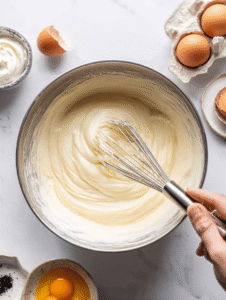
Step 4: Add eggs one at a time, mixing gently after each. Incorporate sour cream and vanilla last.
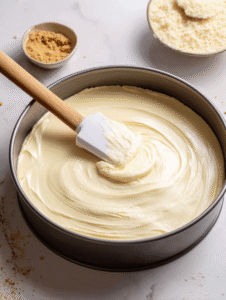
Step 5: Pour the filling over the crust, smoothing the top.
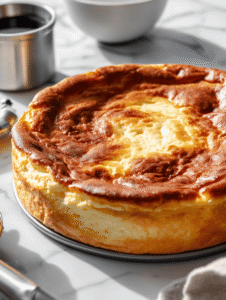
Step 6: Bake for 50-60 minutes until the edges are set but the center slightly jiggles.
Step 7: Let the cheesecake cool in the pan on a wire rack for 1 hour.
Step 8: Refrigerate for at least 4 hours or overnight for best texture.
Cooking Checkpoints and Tips for a Flawless Finish
- The crust should be golden and firm, not crumbly or soggy.
- The filling should be smooth and free of lumps, with no cracks when baked.
- The center should jiggle slightly but not appear liquid — think of a firm set but gentle wobble.
Common Web-Design and Baking Blunders
- Cracks appeared on the cheesecake surface.? Use a water bath to prevent cracks during baking.
- Web pattern smeared or lost detail.? Chill the filling before swirling to avoid smudging.
- Filling was dense or grainy.? Don’t overmix the batter to keep it airy.
- Overbaked, resulting in dry texture.? Bake just until edges are set and center jiggles slightly.
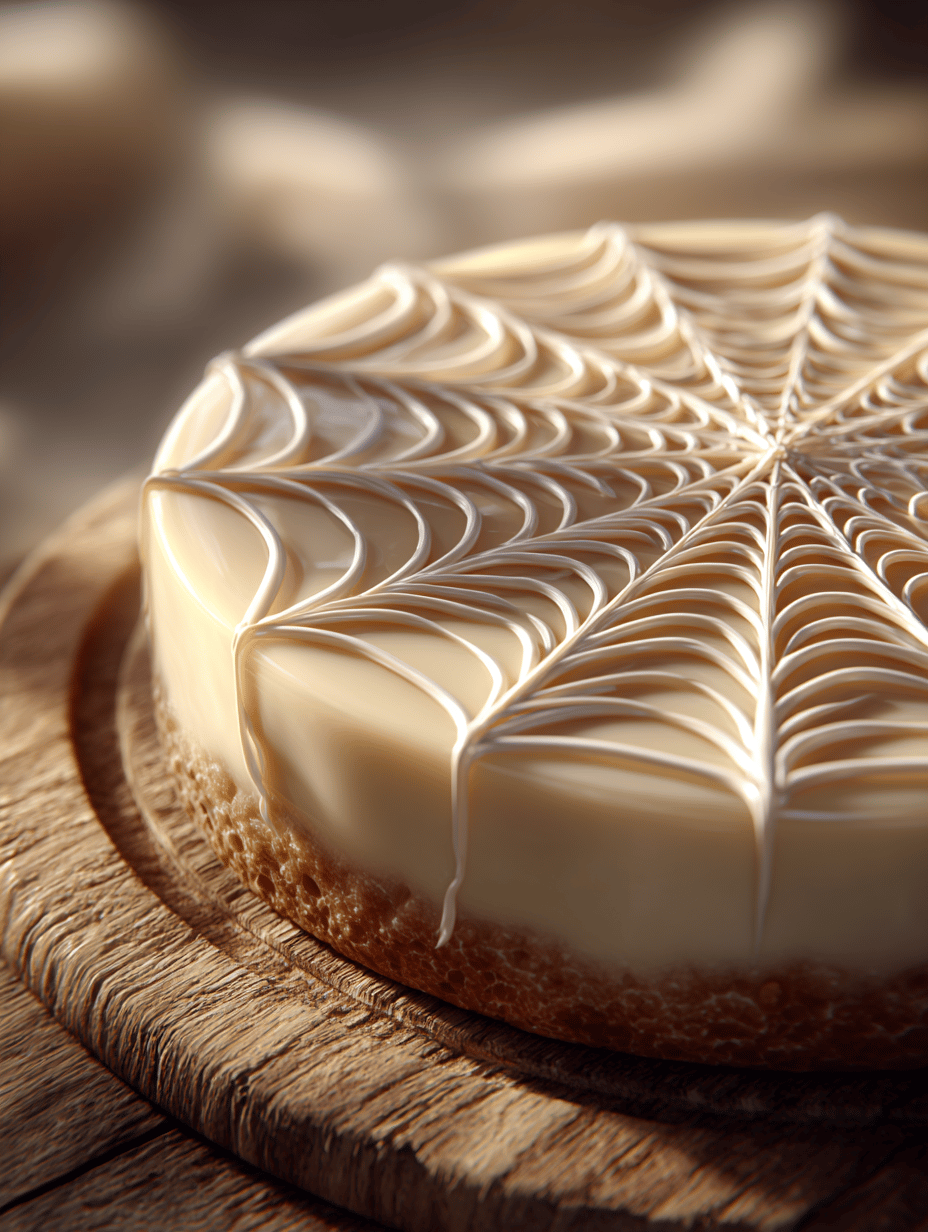
Spiderweb Cheesecake
Ingredients
Equipment
Method
- Preheat your oven to 160°C (320°F). Place a springform pan on a baking sheet to catch any drips.
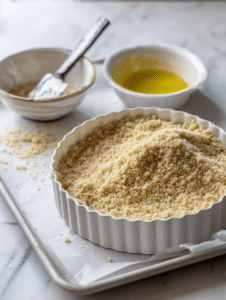
- Mix the graham cracker crumbs with melted butter until the mixture resembles wet sand. Press this evenly into the bottom of the springform pan, creating a firm crust. Bake for 10 minutes to set the crust, then set aside to cool.
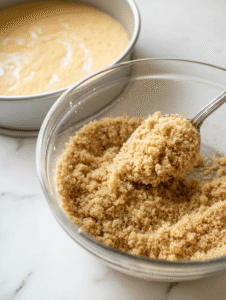
- In a large mixing bowl, beat the softened cream cheese with sugar using an electric mixer until the mixture is smooth, fluffy, and free of lumps—about 3 minutes. You should see it turn lighter in color and creamy in texture.
- One at a time, add eggs to the mixture, beating gently after each addition until fully incorporated. Then add the sour cream and vanilla extract, mixing just until combined. The batter should be silky and smooth.
- Pour the filling over the cooled crust, smoothing the top with an offset spatula until even. Tap the pan gently on the counter to release any air bubbles.
- Bake the cheesecake for 50-60 minutes, until the edges are set but the center still jiggles slightly when gently shaken. The top may develop a few cracks; that’s okay.
- Remove the cheesecake from the oven and allow it to cool in the pan on a wire rack for about 1 hour. The center will firm up but remain slightly jiggly—this is perfect.
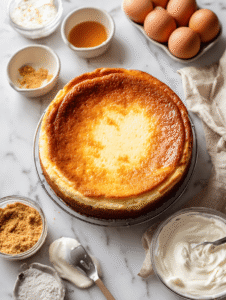
- Refrigerate the cheesecake for at least 4 hours or overnight. This helps it set completely and makes decorating easier.
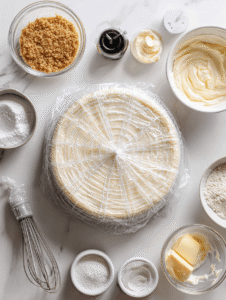
- Once chilled, transfer the cheesecake to a serving plate. Fill a small piping bag or zip-top bag with black gel food coloring and cut a tiny tip. Draw concentric circles and radial lines to create a web pattern on the surface.
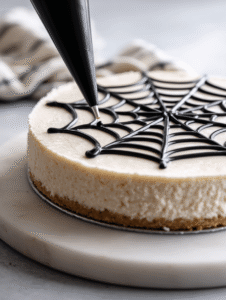
- Use a toothpick or skewer to gently drag from the center outward along the lines to enhance the web design, creating fine, web-like strands. Be patient and work slowly to keep the pattern crisp.
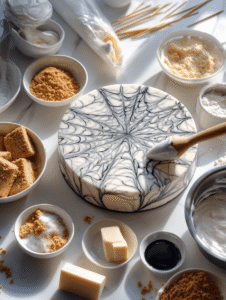
- Once the web pattern is complete, chill the cheesecake for a few more minutes to set the decoration, then slice and serve. Enjoy the creamy texture and striking look!
Notes