

This Crockpot Minestrone Soup is more than just a meal; it’s a daily ritual that turns busy mornings into cozy evenings. I love how the slow cooker does the heavy lifting, blending flavors without fuss, so I can focus on the small, quiet moments of the day. It’s a way to make something nourishing that feels like a warm hug, no matter how hectic the schedule gets.
What really hooks me about this recipe is how forgiving it is—add a little this, skip that, and it still comes out comforting and bright. It’s my go-to when I want to cook without standing over a stove, especially when I know I’ll be craving something hearty yet fresh later. The smell of simmering vegetables and herbs filling the house is a gentle reminder that good things take time, and sometimes, patience is the best ingredient.
This recipe is inspired by the idea of slow-cooking as a form of culinary meditation. It’s about embracing the process, letting flavors meld gently over hours, and finding a moment of calm in a busy day through the simple act of making soup. It’s not just about dinner; it’s about mindfulness and patience, wrapped up in a warm bowl.
The story behind this recipe
- This soup was born out of a quiet Sunday afternoon, when I found a forgotten bag of vegetables in the fridge and a craving for something cozy but not heavy. I wanted a meal that could simmer away all afternoon without me fussing in the kitchen, letting flavors meld naturally. Over the years, I’ve realized that slow-cooking isn’t just about convenience — it’s about giving ingredients the time they need to develop a richer, more soulful taste.
- I remember standing by my slow cooker, smelling the garlic and herbs as they mingled with the sweetness of carrots and the earthiness of beans. It was a moment of simple joy, knowing that in a few hours, I’d have a bowl of something nourishing that didn’t require much effort. That feeling of coming home to a warm, fragrant pot has made this recipe a staple in my weekly routine.
- heading
- story_type
Ingredient breakdown: key components
- Onion: I soften it until translucent, releasing a sweet aroma. You can add a pinch of sugar if it’s not browning enough.
- Carrots: I chop them small for quick cooking, their natural sweetness brightens the broth. Try larger chunks if you prefer a more rustic feel.
- Cannellini beans: I use canned for convenience, but soaking dried beans overnight makes them creamier and more tender—just account for longer cooking time.
- Diced tomatoes: I love the acidity and color they add, especially with a splash of their juice. For a milder flavor, use peeled, fire-roasted tomatoes.
- Vegetable broth: I opt for a homemade or low-sodium version, so I can control the salt. Use chicken or beef broth if you want a richer, meatier base.
- Pasta: I toss in small shapes like ditalini or small shells in the last 15 minutes. For gluten-free, try rice or lentil pasta, but watch the cooking time.
- Fresh herbs: I stir in chopped basil or parsley at the end for brightness. Dried herbs work too, just add them earlier to develop flavor.
Spotlight on key ingredients
Cannellini Beans:
- I love their creamy texture and mild flavor, which soften beautifully during slow cooking. They add a rich, velvety bite that balances the acidity of tomatoes. When cooking, they tend to absorb flavors and become melt-in-your-mouth tender.
- They can be swapped for chickpeas or kidney beans, but I find cannellini keeps the soup feeling light and refined.
Diced Tomatoes:
- I use ripe, juicy canned tomatoes, which break down and release a sweet, tangy aroma as they simmer. Their bright, slightly acidic punch brightens the broth and makes every spoonful feel fresh. During cooking, they ooze into the broth, creating a vivid, ruby-colored base.
- For a smoky flavor, fire-roasted tomatoes are a game-changer—just add a pinch of smoked paprika for extra depth.
Notes for ingredient swaps
- Dairy-Free: Use coconut milk instead of Parmesan for creaminess, but expect a sweeter, more tropical flavor.
- Gluten-Free: Swap traditional pasta with gluten-free rice or lentil pasta; it may be a bit softer or chewier.
- Vegetarian: Replace any meat-based broth with vegetable broth and ensure beans are cooked without animal products.
- Low-Sodium: Choose no-salt-added canned beans and low-sodium broth, then season carefully at the end.
- Fresh Herbs: Use dried herbs if fresh aren’t available; add them earlier during cooking for a deeper flavor.
- Beans: Use chickpeas or kidney beans in place of cannellini; they bring a different texture and slightly earthier taste.
- Tomatoes: For a smoky twist, use fire-roasted canned tomatoes or add a dash of smoked paprika.
Equipment & Tools
- Slow cooker: Main cooking vessel for slow, even heat and flavor melding.
- Large skillet: Sauté aromatics to deepen flavor before slow cooking.
- Knife and cutting board: Chop vegetables uniformly for even cooking.
- Wooden spoon or spatula: Stir ingredients and prevent sticking.
- Ladle: Serve the soup neatly into bowls.
Step-by-step guide to Crockpot Minestrone
- Gather all your ingredients — chopping vegetables like carrots and onions into small, uniform pieces for even cooking.
- Set your slow cooker to the ‘low’ setting, around 90°C (195°F), and turn it on to warm up while you prep.
- In a skillet over medium heat (about 150°C/300°F), sauté the onions and garlic until translucent and fragrant, about 5 minutes. This step adds depth to the flavor.
- Transfer the softened aromatics into the slow cooker. Add chopped carrots, diced tomatoes, and a splash of olive oil; stir to combine.
- Pour in vegetable broth, enough to cover the ingredients by an inch or so. Season with salt, pepper, and your preferred herbs,” such as thyme or oregano.
- Add canned cannellini beans (drained and rinsed) and small pasta shapes like ditalini. Stir gently, then cover with the lid.
- Cook on low for 6-8 hours, or until vegetables are tender and flavors meld. During cooking, the soup should smell sweet and herbal, with a gentle simmer sound.
- Check the pasta after 6 hours; if it’s al dente and the vegetables are soft, it’s ready. If not, cook for another 30 minutes and test again.
- Once done, turn off the slow cooker and let the soup rest uncovered for 10 minutes. This helps flavors settle and thickens the broth slightly.
- Finish with a handful of chopped fresh basil or parsley, stirring into the hot soup. Ladle into bowls and serve steaming, with crusty bread if you like.
Let the soup rest uncovered for 10 minutes to settle flavors. Finish with fresh herbs, then serve hot with crusty bread or a drizzle of olive oil for added richness.
How to Know It’s Done
- Vegetables should be soft and fragrant, not crunchy.
- Pasta should be tender yet hold its shape, not mushy.
- Broth should be rich, slightly thickened, and aromatic with herbs.
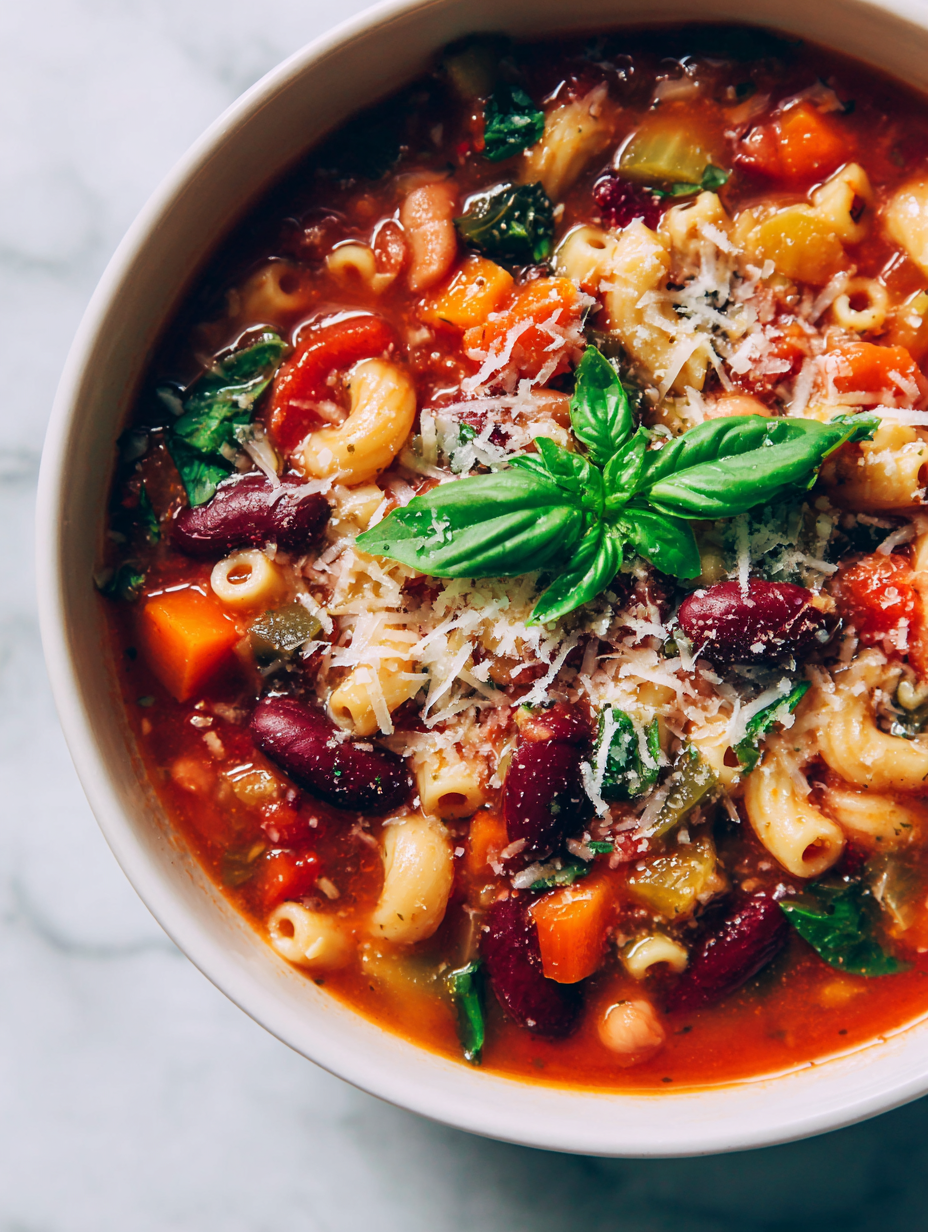
Crockpot Minestrone Soup
Ingredients
Equipment
Method
- Chop the onion and carrots into small, uniform pieces, and mince the garlic. Prepare all your ingredients so they're ready to go.
- In a large skillet over medium heat, warm the olive oil until it shimmers and smells fragrant. Add the chopped onions and sauté for about 5 minutes until they become translucent and slightly golden, filling the kitchen with a sweet aroma.
- Stir in the minced garlic and diced carrots, cooking for another 2-3 minutes until the garlic is fragrant and carrots start to soften. This layer of sautéing builds a rich, savory base for the soup.
- Transfer the sautéed vegetables into the slow cooker. Add the canned diced tomatoes with their juice, drained cannellini beans, and pour in the vegetable broth. Stir gently to combine everything evenly.
- Season the mixture with salt, pepper, and dried herbs like thyme or oregano if desired. Cover the slow cooker with the lid and set it to low heat.
- Allow the soup to simmer for 6 to 8 hours, or until the vegetables are tender and the flavors are well melded. Your kitchen will fill with a warm, herbal aroma as it cooks slowly.
- About 15 minutes before serving, stir in the small pasta shapes. Cover and continue cooking on low until the pasta is al dente and the soup is thickened slightly.
- Once the pasta is cooked, turn off the slow cooker and let the soup rest uncovered for about 10 minutes. This helps the flavors settle and the broth to thicken a bit more.
- Stir in a handful of chopped fresh basil or parsley for a burst of bright, herbal freshness. Ladle the hot, colorful soup into bowls, and enjoy with crusty bread or a drizzle of olive oil for an extra touch.
Notes
Pro tips for perfect soup
- Bolded mini-head: Sear aromatics first → This builds a deeper, richer flavor base from the start.
- Bolded mini-head: Layer your herbs → Add dried herbs early for a fragrant, well-rounded taste.
- Bolded mini-head: Use fresh ingredients → Fresh vegetables and herbs make the broth brighter and more vivid.
- Bolded mini-head: Adjust seasoning at the end → Tastes change as the soup cooks; always taste before serving.
- Bolded mini-head: Keep pasta al dente → Add pasta in the last 15 minutes to prevent mushiness and maintain texture.
- Bolded mini-head: Don’t forget to rest → Let the soup sit for 10 minutes after cooking to let flavors meld.
- Bolded mini-head: Use a splash of olive oil → Drizzle just before serving for added shine and richness.
Common mistakes and how to fix them
- FORGOT to taste and adjust seasoning before serving, leading to bland soup.
- DUMPED all ingredients in without sautéing aromatics, resulting in flat flavor.
- OVER-TORCHED the vegetables, which turned bitter; fix by lowering heat and stirring frequently.
- USED too much salt initially; fix by rinsing beans and balancing with acid or sweetness.
Quick fixes and pantry swaps
- If the soup is too thick, splash in some hot broth and stir gently to loosen.
- When vegetables aren’t tender enough, extend cooking time or increase heat slightly.
- DUMPED too much salt? Rinse beans or add a splash of acid like lemon juice to balance.
- Splash a little olive oil if the broth feels flat or dull after cooking.
- Patch flavor by stirring in fresh herbs or a squeeze of lemon for brightness.
Prep, store, and reheat tips
- Chop vegetables like carrots and onions a day ahead; store in an airtight container in the fridge for up to 24 hours. The smell of fresh cuts brightens the next day’s prep.
- Cook the soup entirely, then cool it quickly in the fridge within two hours. Reheat gently on the stovetop, smelling the fragrant herbs and simmering vegetables again.
- Stored in an airtight container, the soup keeps well for 3-4 days in the fridge. The flavors deepen over time, especially the herbs and tomato base.
- Freeze leftovers in portions for up to 3 months. Thaw overnight in the fridge, then reheat, noticing how the broth thickens slightly and flavors mellow.
- Reheating should be done over low heat, stirring occasionally. The soup should shimmer gently, with the aroma of herbs and a vibrant tomato scent returning when warmed through.
FAQs about Crockpot Minestrone Soup
1. Can I use dried beans instead of canned?
Use canned beans for convenience, but soaking dried beans overnight makes them creamier and tender. Just extend cooking time accordingly.
2. Can I add greens to this soup?
Yes, you can add leafy greens like spinach or kale in the last 10 minutes. They soften quickly and add freshness.
3. My soup is too thick, what do I do?
If the soup is too thick, splash in some hot broth and stir gently until it loosens up.
4. When should I add the pasta?
To prevent pasta from overcooking, add it in the last 15 minutes of cooking and keep an eye on it.
5. The soup lacks flavor, how can I fix it?
If your soup tastes flat, stir in fresh herbs or a squeeze of lemon juice to brighten the flavor.
6. How long does leftover soup last?
Store leftovers in an airtight container in the fridge for 3-4 days. Reheat gently on the stove, smelling for a fresh, herbal aroma.
7. Can I freeze this soup?
You can freeze the soup in portions for up to 3 months. Thaw overnight in the fridge and reheat on low heat, noticing the broth shimmer again.
8. How can I add a smoky flavor?
For a smoky twist, use fire-roasted canned tomatoes or add a pinch of smoked paprika during cooking.
9. How do I know when the soup is done?
Ensure vegetables are tender and the broth is rich and aromatic. The pasta should be al dente, and the herbs fresh and fragrant.
10. Can I adapt this recipe for dietary restrictions?
Yes, you can substitute gluten-free pasta, rice, or lentils if needed. Just adjust cooking times accordingly.
This soup isn’t just about filling bellies; it’s about slowing down and savoring the process. The way the vegetables soften and release their flavors over hours—there’s a quiet beauty in that patience.
Every time I make this minestrone, I’m reminded that some of the best moments come from simple, honest cooking. It’s a bowl that feels like a small act of kindness, especially in busy or unpredictable days.